Understanding Smart Home Technology
In the rapidly evolving landscape of modern technology, the concept of a smart home has gained immense popularity, transforming how we live, work, and interact with our environments. A smart home is not just a trend; it represents a significant shift in our daily routines and perceptions of convenience, security, and efficiency. By integrating various technological devices and systems, homeowners gain unprecedented control over their living spaces, improving comfort and security while potentially reducing energy costs. For those looking to embrace this technology, خانه هوشمند جهان اسمارت offers a comprehensive array of solutions designed to meet diverse needs.
What is a Smart Home?
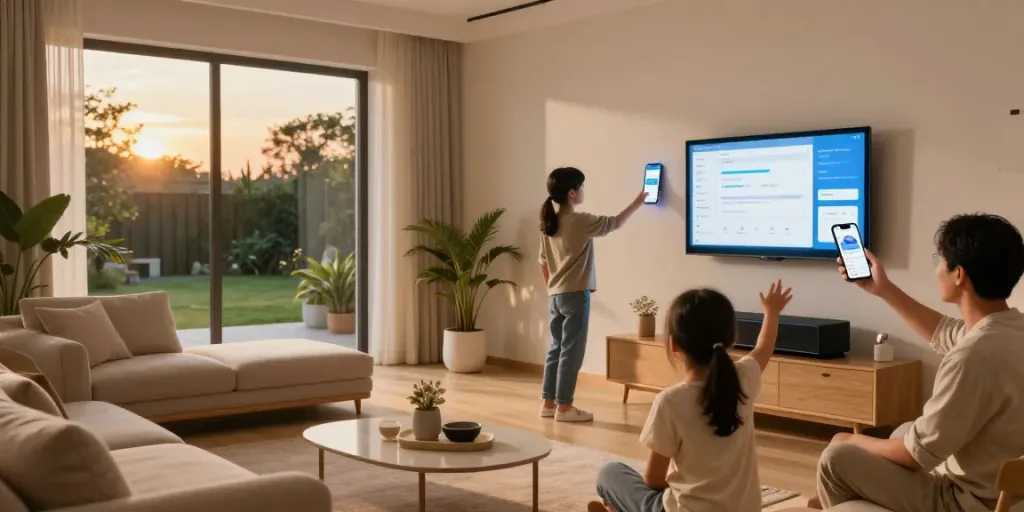
A smart home utilizes internet-connected devices to enable remote management and monitoring of systems and appliances. This can include everything from lighting, climate control, and security systems to entertainment devices. The goal is to create a seamless experience where homeowners can manage their homes from anywhere, typically through smartphones or voice-activated assistants.
Key Components of a Smart Home
- Smart Lighting: This technology allows users to control lights remotely, set schedules, and even change colors.
- Smart Security Systems: Includes surveillance cameras, motion detectors, and smart locks that can be monitored and controlled from mobile devices.
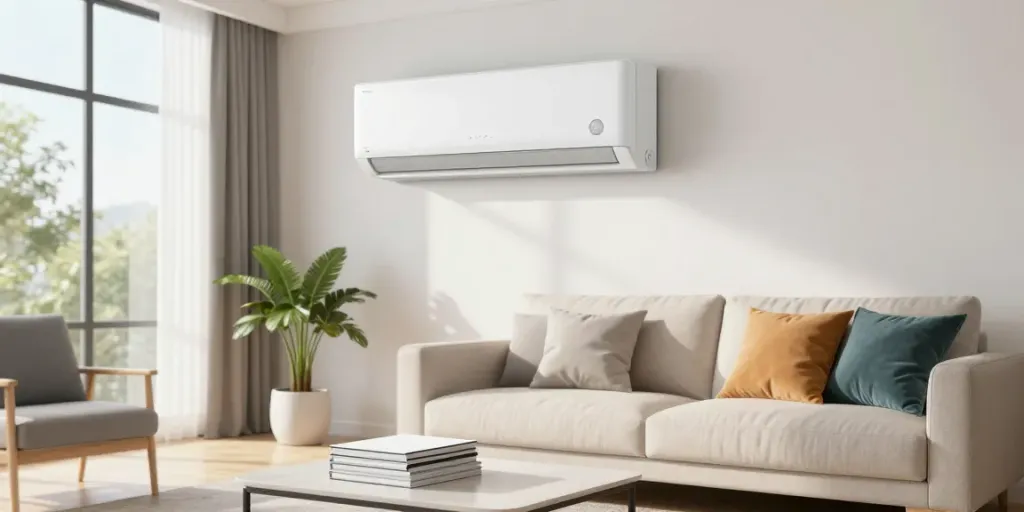
- Smart Thermostats: These devices learn user habits and preferences to optimize heating and cooling, helping save energy.
- Smart Appliances: Ranging from refrigerators that track food inventory to ovens that can be programmed remotely.
- Smart Audio Systems: Integrate seamlessly with home automation systems, providing music and entertainment control throughout the home.
Advantages of Smart Home Automation
Smart home automation brings a multitude of benefits, such as enhanced security, improved energy efficiency, and increased convenience. By automating daily tasks, homeowners can free up time for more important activities, while the ability to monitor energy usage helps reduce costs. Additionally, with advanced security features, residents can feel safer, knowing they can keep an eye on their property from anywhere in the world.
Exploring Smart Audio Systems
One of the standout features of modern smart homes is the integration of advanced audio systems. Smart audio systems offer a range of functionalities that can greatly enhance your home entertainment experience. These systems automatically integrate with other smart devices, allowing you to control music playback throughout your home with ease and convenience.
Benefits of Smart Audio Systems in Daily Life
Smart audio systems provide unique advantages, such as voice control, which allows users to play music or adjust settings without lifting a finger. This feature is particularly useful during multitasking or when hands are occupied. Additionally, these systems can connect with streaming services, enriching the listening experience by providing access to a vast library of music and podcasts.
Integrating Smart Speakers with Home Automation
Smart speakers act as central hubs for smart home automation. They can control other devices such as lights, thermostats, and security systems, making them an essential part of any smart home setup. The ability to issue voice commands through devices like Amazon Echo or Google Home adds convenience and promotes a hands-free lifestyle.
Top Features to Look for in Smart Audio Devices
- Multi-Room Audio: The ability to play different tracks in various rooms enhances the listening experience across your home.
- Voice Assistant Integration: Compatibility with major voice assistant platforms allows for streamlined control over various smart home devices.
- High-Quality Sound: Look for devices that offer rich audio performance, ensuring a satisfying listening experience.
- Streaming Services Compatibility: Support for popular music services this enhances user convenience.
- Customizable Settings: Options for tailoring sound profiles can enhance personal enjoyment.
Choosing Smart Locks for Your Home
The security of your home is paramount, and smart locks offer a modern solution that combines convenience with advanced security features. These locks eliminate the need for traditional keys and provide the ability to control access remotely.
Benefits of Smart Locks Compared to Traditional Locks
Smart locks offer several advantages over traditional locking mechanisms, including easier access management. Homeowners can grant temporary access to guests or service providers without needing to make copies of keys. Additionally, many smart locks come with monitoring features that provide alerts when someone enters or exits the home.
Popular Smart Lock Brands and Models
There are several reputable brands in the smart lock market, and choosing the right one can be crucial. Brands like August, Schlage, and Yale are known for their reliable products. Models can vary based on features such as keypad entry, Bluetooth connectivity, and integration with other smart home systems.
How to Install and Maintain Smart Locks
Installation of smart locks is often straightforward and can often be completed with basic tools. It is essential to follow manufacturer instructions closely, and some locks may require professional installation, especially if integrating with other systems. Regular maintenance is also essential to ensure optimal performance, such as updating firmware and checking battery levels.
Smart Light Control Solutions
Smart lighting has revolutionized how we think about illumination in our homes. Whether you're looking to enhance your home's aesthetics or boost its energy efficiency, smart lighting solutions offer flexible options to meet your needs.
Types of Smart Lighting Systems
- Smart Bulbs: These bulbs can change colors and intensities and are directly controlled via smartphone apps.
- Smart Switches: Allow users to control traditional bulbs remotely, converting regular lighting into smart lighting.
- Smart Lights with Sensors: These lights automatically adjust based on ambient light levels or motion detection.
Impact on Energy Efficiency and Security
Smart lighting systems can significantly reduce energy usage through features like scheduling and remote control. For security, automated lighting can simulate occupancy, deterring would-be intruders by mimicking everyday household activity.
Integrating Smart Lights with Home Assistants
Integration with home assistants allows for voice control, adding another level of convenience. For example, you can set the mood for a movie night simply by telling your assistant to dim the lights. This interaction enhances the connected experience of your smart home.
Future Trends in Smart Home Innovations
The smart home industry is rapidly evolving, and staying ahead of trends can help homeowners make informed decisions. As technology progresses, several key trends are poised to shape the future of smart homes.
Emerging Technologies to Watch in 2026
Artificial Intelligence (AI) and machine learning are set to take center stage in smart home innovation. These technologies will improve device interconnectivity and personalize user experiences based on habits and preferences. Other advancements include enhanced security protocols and improved energy efficiency technologies.
Predictions for Home Automation Growth
Market analysts predict that the smart home market will continue to grow exponentially, driven by consumer demand for convenience and energy efficiency. As prices for smart devices decrease, they will become more accessible to a broader audience, fostering widespread adoption.
Preparing Your Home for Future Smart Solutions
Investing in a robust network infrastructure is essential for the future of smart home technology. Homeowners should consider upgrading their Wi-Fi systems to accommodate new devices and enhance speed and connectivity. Planning for future integrations can help ensure that your home remains adaptable to new technologies.
What are the benefits of having a smart home?
A smart home enhances convenience, security, and energy efficiency, ultimately leading to a more comfortable living environment and lower utility costs.
How does smart home technology improve security?
Smart home security systems, including cameras and alarms, provide real-time alerts and monitoring, allowing homeowners to keep tabs on their property with ease.
What should I consider when choosing smart devices?
Consider compatibility with existing devices, ease of installation, reliability, and the range of features offered when selecting smart home devices.
Are smart homes energy-efficient?
Yes, smart homes can significantly reduce energy usage through automated control of lighting, heating, cooling, and even appliances.
What are the latest trends in smart home technology?
Recent trends include increased AI integration, enhanced security features, and the development of more user-friendly interfaces for controlling smart home devices.