Understanding the Role of Water Treatment Equipment Suppliers
In today's industrial landscape, the importance of having access to quality Water Treatment Equipment Supplier services cannot be overstated. These suppliers play a crucial role in ensuring businesses can efficiently utilize water while adhering to environmental regulations. With the increasing demand for clean water across various sectors, the expertise provided by water treatment suppliers is essential for sustainable operations.
What is a Water Treatment Equipment Supplier?
A water treatment equipment supplier is a specialized entity that provides the tools, systems, and services necessary for managing water quality. These suppliers address a range of applications, from industrial water purification to municipal waste treatment. They work closely with businesses to design, install, and maintain systems that ensure the continuous provision of safe and clean water for various applications.
The Importance of Reliable Water Treatment Solutions
Reliable water treatment solutions are vital for industries like chemical manufacturing, food processing, and textiles, where water quality directly affects product quality and safety. Furthermore, non-compliance with environmental regulations can lead to significant penalties and reputational damage. Therefore, establishing a partnership with a trusted water treatment equipment supplier ensures organizations maintain operational integrity while minimizing environmental impact.
Key Industries Served by Water Treatment Equipment Suppliers
- Chemical Processing
- Food and Beverage Production
- Textiles and Apparel
- Energy and Power Generation
- Mining and Metallurgy
- Municipal Water Treatment
- Pharmaceuticals
Expert Insights on Modular Water Treatment Systems
Modular water treatment systems represent an innovative approach to managing water quality challenges. These systems offer scalability, adaptability, and efficiency, making them ideal for diverse applications.
Benefits of Modular Water Treatment Solutions
One of the core benefits of modular systems is their flexibility. Operators can easily scale operations by adding or removing modules as needed. Additionally, these systems can be customized to meet specific water quality requirements, ensuring that industries have the tools they need to address their unique challenges.
Case Studies of Successful Implementations
Several successful installations of modular systems demonstrate their effectiveness. For example, in the food and beverage industry, a major company implemented a modular water treatment solution that not only improved their water quality but also reduced operational costs by 30%. This case highlights the potential return on investment that can be achieved through the adoption of modular systems.
Choosing the Right Modular System for Your Needs
Selecting the appropriate modular water treatment system involves assessing specific water quality needs, site conditions, and regulatory requirements. Consulting with a skilled supplier can aid in identifying the optimal system configuration, ensuring compliance and operational efficiency are achieved.
Advanced Chemical Dosing Technologies in Water Treatment
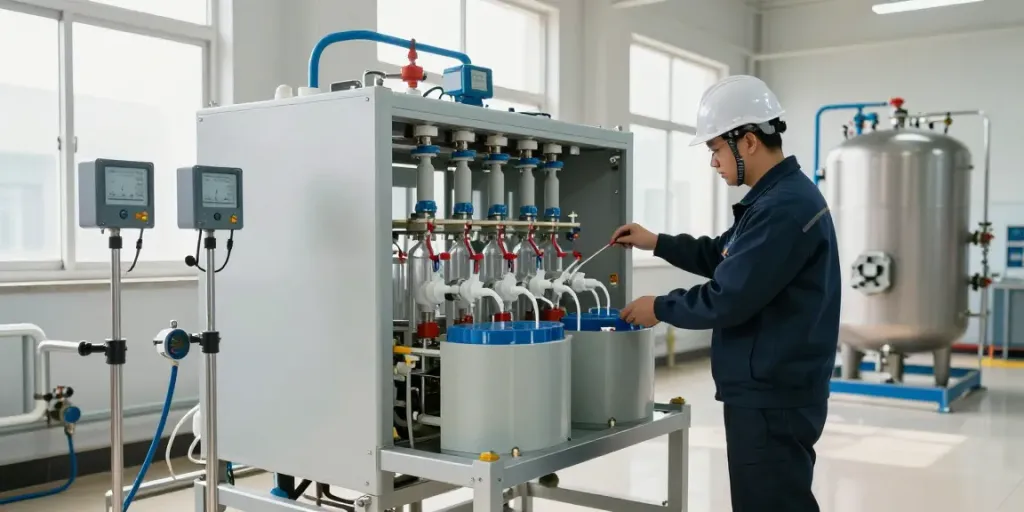
As water treatment technology evolves, advanced chemical dosing systems have emerged as critical components in modern facilities. These systems enhance the precision and safety of chemical applications across industries.
How Integrated Chemical Process Systems Enhance Safety and Efficiency
Integrated chemical process systems leverage sensor technology and automated control systems to improve dosing accuracy. These advancements minimize the risk of over-dosing, which can lead to negative environmental impacts and compliance issues. By implementing these technologies, businesses can ensure both safety and efficiency in their operations.
Technological Innovations in Chemical Dosing
Recent innovations in the field have introduced real-time monitoring capabilities and adaptive control algorithms that allow for dynamic adjustments based on fluctuating water quality conditions. This level of responsiveness ensures optimal chemical dosing throughout various operational scenarios.
Measuring the Impact of Chemical Dosing on Water Quality
It's essential to regularly evaluate the impact of chemical dosing on water treatment efficacy. Continuous monitoring helps ensure that water quality meets industry standards and regulations, ultimately reducing the likelihood of system failures and environmental breaches.
Future Trends in Water Treatment Equipment
The landscape of water treatment is ever-evolving, influenced by technological advancements, regulatory changes, and emerging environmental concerns. Keeping abreast of these trends is essential for suppliers and industries alike.
Emerging Technologies for 2026 and Beyond
Looking ahead, technologies such as artificial intelligence and machine learning are expected to play a pivotal role in optimizing water treatment processes. These technologies can enhance predictive maintenance strategies, allowing for more efficient resource management and reduced downtime.
Regulatory Changes Affecting Water Treatment Practices
New regulations will likely emerge as governments worldwide prioritize sustainable water management practices. Staying informed about these changes will be critical for businesses to remain compliant and maintain their operational licenses.
Environmental Sustainability in Water Treatment Equipment Design
As sustainability takes center stage in environmental policies, the design of water treatment equipment will increasingly focus on energy efficiency and minimal environmental impact. Suppliers must consider eco-friendly materials and processes to align with these growing demands.
Choosing the Right Partner: Why Quality Matters
Establishing a long-term partnership with a quality water treatment equipment supplier can significantly enhance operational success. Evaluating potential partners involves careful consideration of expertise, reliability, and technology offerings.
Evaluating Potential Water Treatment Equipment Suppliers
When assessing suppliers, organizations should consider factors such as industry experience, customer reviews, and after-sales support. A supplier’s ability to provide tailored solutions and ongoing maintenance services is also vital for ensuring the longevity and efficiency of water treatment systems.
Building Long-Term Partnerships in Environmental Solutions
Successful collaborations are built on mutual understanding and transparency. Regular communication and performance assessments help maintain the alignment of goals and expectations, ultimately leading to a more effective partnership in achieving sustainability objectives.
Common Challenges and How to Overcome Them
Challenges such as budget constraints, regulatory compliance, and technology adoption can hamper water treatment initiatives. Addressing these challenges involves proactive planning, open dialogue with suppliers, and leveraging innovative solutions to enhance operational efficiency.