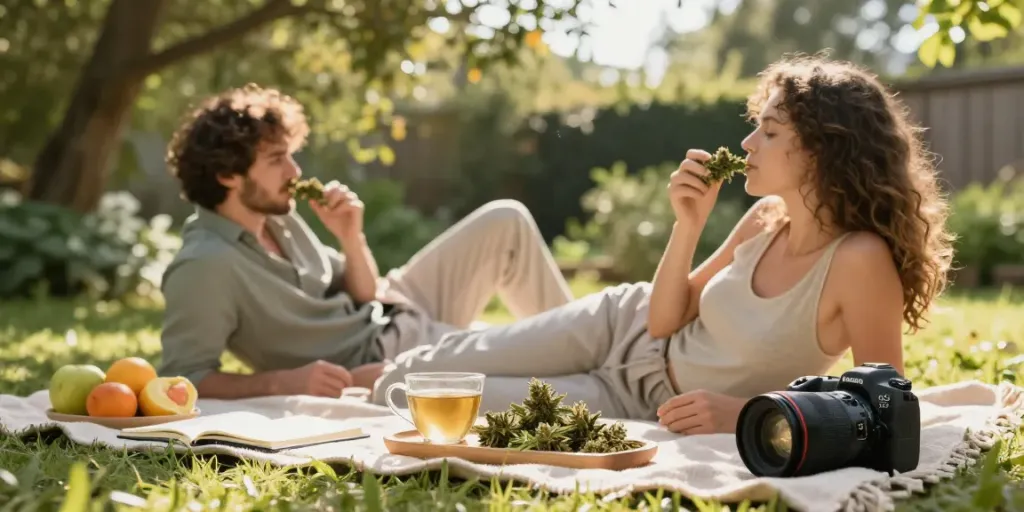
Understanding the Basics of Cannabis Flower
Cannabis flower, often referred to as marijuana or bud, is the most recognizable part of the cannabis plant, offering a plethora of compounds that contribute to its therapeutic and recreational applications. Distinctly characterized by its aromatic profile and potential efficacy, cannabis flower is utilized by countless individuals seeking to integrate natural remedies into their wellness routines. With the increasing interest in its benefits, exploring high-quality options like cannabis flower can provide a personalized experience tailored to individual needs.
What is Cannabis Flower and Its Components?
Cannabis flower is the unprocessed, flowering part of the cannabis plant, which encompasses a variety of cannabinoids, terpenes, and flavonoids. The primary cannabinoids, including THC (tetrahydrocannabinol) and CBD (cannabidiol), are responsible for the plant's effects. THC is often associated with psychoactive effects, while CBD is known for its potential therapeutic properties without the high. The intricate biochemical makeup of cannabis flower contributes to its unique properties and effects, making it vital to understand these components when considering its use.
Types of Cannabis Flower: An Overview
When exploring cannabis flower, it’s helpful to understand the different types available in the market. The three main types of cannabis strains fall into three categories: indica, sativa, and hybrid. Indica strains are typically associated with relaxing and sedating effects, making them popular for nighttime use. Sativa strains are known for their uplifting and energizing effects, often leading to enhanced creativity and focus. Hybrid strains combine characteristics of both indica and sativa, providing a balanced experience. Each strain can vary significantly in cannabinoid and terpene profiles, influencing the overall effects experienced by users.
The Role of Terpenes in Cannabis Flower
Terpenes are aromatic compounds found in cannabis flower and other plants that contribute to the distinctive scents and flavors. Beyond their sensory aspects, terpenes are believed to play a crucial role in the plant's therapeutic effects through the "entourage effect," where they work in synergy with cannabinoids. Common terpenes such as myrcene, limonene, and pinene each provide unique benefits, from potential anti-inflammatory properties to anxiety reduction. Understanding the terpene profile of cannabis flower can help consumers select strains that align with their wellness goals.
Health Benefits of Cannabis Flower
As interest in natural wellness solutions grows, cannabis flower has garnered attention for its potential health benefits. Many consumers seek these natural remedies to alleviate symptoms related to various conditions, ranging from everyday stress to chronic pain. Understanding how cannabis flower can promote wellness involves looking at the therapeutic applications of its components, particularly cannabinoids and terpenes.
How Cannabis Flower Promotes Wellness
The therapeutic potential of cannabis flower lies primarily in its cannabinoids, which interact with the endocannabinoid system (ECS) in our bodies. The ECS plays a vital role in regulating mood, pain perception, memory, and various physiological processes. Research suggests that cannabinoids such as CBD may help enhance mood, reduce anxiety, and improve sleep quality, thereby supporting overall wellness. Users often report experiencing relief from stress, anxiety, and discomfort, making cannabis flower a favored choice among those seeking holistic alternatives.
Therapeutic Uses of Cannabinoids in Flower
Research into the therapeutic uses of cannabinoids suggests that cannabis flower may assist in managing conditions such as chronic pain, anxiety, sleep disturbances, and inflammation. Clinical studies have indicated that CBD may be beneficial in treating anxiety disorders and improving sleep in individuals suffering from insomnia. THC, on the other hand, has shown promise in pain management, particularly for conditions involving neuropathy and muscle spasms. As the body of research expands, the utilization of cannabis flower as a part of a wellness strategy continues to evolve.
Dosage Considerations for Safe Usage
When incorporating cannabis flower into a wellness routine, it's essential to consider dosage. The "start low and go slow" approach is recommended, where individuals begin with a small amount and gradually increase until the desired effects are achieved. Factors such as body weight, individual tolerance, and the type of strain can influence the optimal dosage. It's also important to consult with healthcare professionals to tailor the approach to specific health needs.
Choosing the Right Cannabis Flower Products
Selecting the right cannabis flower can be enlightening, as different strains and qualities serve various purposes. Understanding the terminology and the different strain effects is crucial in making informed decisions regarding product selection, ensuring safety and quality as well.
Understanding Different Strains and Their Effects
As previously mentioned, cannabis strains fall into three main categories: indica, sativa, and hybrid. Each strain can have a unique cannabinoid and terpene profile, which impacts its effects on mood, relaxation, and focus. To determine which strain best suits individual needs, it can be helpful to consider what effects the user intends to achieve: tranquility, energy, or something in between.
Evaluating Quality: What to Look For
Recognizing quality is paramount when selecting cannabis flower. Factors contributing to quality include the strain’s cultivation method, appearance, aroma, and the presence of trichomes (tiny resinous glands). High-quality cannabis flower should exhibit vibrant colors, strong aromatic properties, and a sticky texture, indicating a rich trichome presence. Additionally, products that have undergone third-party testing will often provide assurance of potency and purity.
How to Read Product Labels and COAs
Understanding product labels and Certificates of Analysis (COAs) is essential for transparency in the cannabis market. COAs provide information about cannabinoid potency and any contaminants such as pesticides or heavy metals. Users should look for COAs from reputable laboratories to ensure they are purchasing high-quality products. Furthermore, becoming familiar with common language on labels can assist in making informed choices regarding strain types, therapeutic claims, and potency levels.
Legal Considerations and Safety Guidelines
Staying informed about the regulatory landscape surrounding cannabis flower is crucial for consumers in 2026. As more states legalize cannabis use, understanding federal and state regulations helps users remain compliant while prioritizing safety.
Current Regulations for Cannabis Flower in 2026
The legal status of cannabis flower varies significantly across the United States, following the 2018 Farm Bill, which legalized hemp-derived products containing less than 0.3% THC. However, state-specific regulations can differ, particularly regarding purchasing, consumption, and public use. Potential users should familiarize themselves with local laws to ensure compliance with legal requirements surrounding cannabis flower.
Safety Tips for Using Cannabis Flower
Safety is a top concern for cannabis users. It’s paramount to understand potential side effects, such as drowsiness, dry mouth, or digestive changes. For first-time users, starting with low-THC strains or CBD-dominant options may help minimize unwanted side effects. Additionally, consulting with healthcare professionals before using cannabis flower is advisable, particularly for individuals on medication or with existing health conditions.
Potential Side Effects and Interactions
Cannabis flower can produce various side effects, some of which may interact with existing medications. Potential interactions include affecting the metabolism of blood thinners or seizure medications. Users should also be mindful of using cannabis during pregnancy or breastfeeding, as its effects on fetal development and lactation remain unclear. Conducting thorough research and self-education can help users navigate potential risks effectively.
Integrating Cannabis Flower into Your Wellness Routine
Effectively incorporating cannabis flower can enhance overall wellness when done mindfully. Understanding consumption methods, potential benefits, and establishing a balanced routine can empower individuals looking to explore its therapeutic properties.
Methods of Consumption and Their Benefits
Cannabis flower can be consumed through various methods, including smoking, vaporizing, and creating edibles or tinctures. Smoking and vaporizing deliver cannabinoids quickly, allowing for rapid onset of effects, with vaporizing often being perceived as a healthier alternative due to reduced combustion byproducts. Edibles, however, can take longer to produce effects as they undergo metabolic processing, with potential for longer-lasting relief depending on metabolism.
Creating a Balanced Approach to Cannabis Use
When incorporating cannabis into a wellness regime, balance is key. Individuals should consider their wellness goals, daily responsibilities, and personal reactions to different strains. Crafting a schedule that aligns cannabis use with relaxation or creativity can optimize the overall experience, ensuring it complements rather than disrupts daily life.
Frequently Asked Questions About Cannabis Flower
How much does a cannabis flower cost?
The price of cannabis flower can vary significantly based on strain quality, the cultivation method, and regional regulations. Typically, costs can range from budget-friendly options to premium strains, with factors such as availability and demand also influencing prices.
What does cannabis do to your body?
Cannabis interacts with the endocannabinoid system, promoting changes in mood, pain perception, and anxiety levels. The effects vary widely depending on the cannabinoid and terpene profiles present in each strain, leading to individual experiences.
Can cannabis flower help with anxiety?
Many users report using cannabis flower to alleviate anxiety symptoms. For more information, weed flower menu offers valuable insights. Strains that are high in CBD are particularly sought after for their potential calming effects without the psychoactive impact of THC. However, individual responses can vary, and it is advisable to consult with a healthcare professional for tailored guidance.