
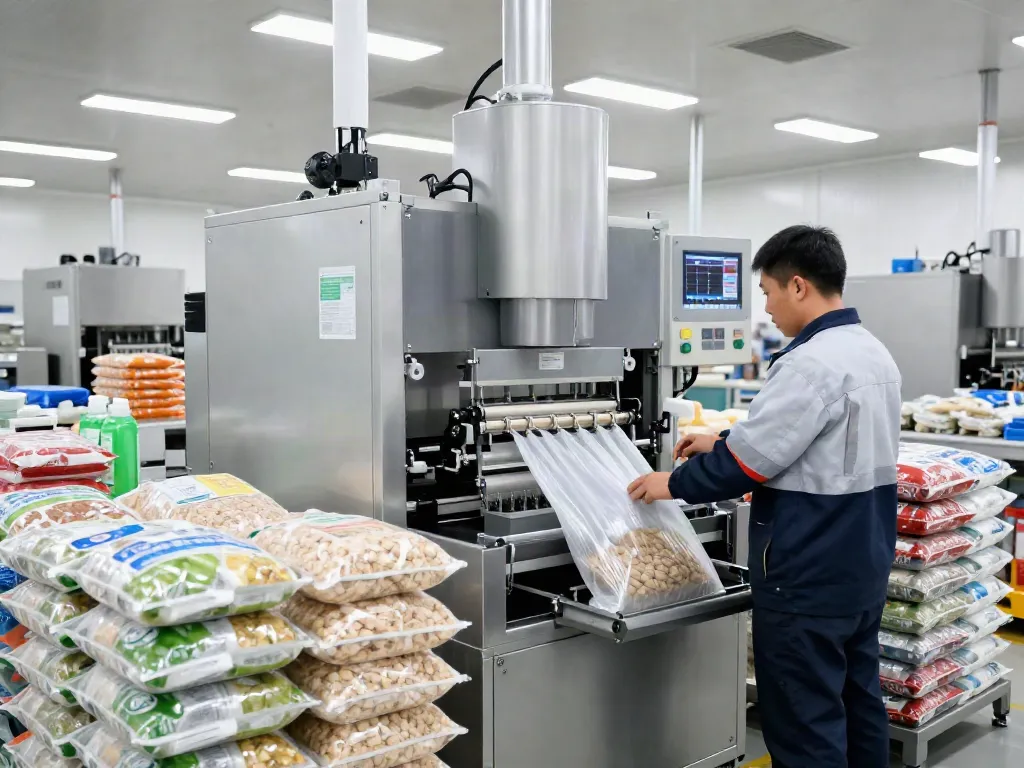
Understanding the Role of Bagging Machines in Modern Packaging
In today's fast-paced manufacturing environment, the efficiency of packaging processes can significantly impact overall productivity. Bagging machines play a pivotal role in streamlining these operations, ensuring that products are efficiently packaged with minimal manual labor. As businesses increasingly seek automation to improve quality and speed, investing in advanced packaging technologies becomes essential. When exploring options, bagging machines manufacturer offerings can provide comprehensive insights into the latest equipment that meets diverse industrial needs.
1. The Evolution of Bagging Machines
The origins of bagging machines date back to the early 20th century when manual processes were the norm. Over time, advancements in technology led to the development of semi-automated and fully automated systems capable of significantly increasing efficiency and accuracy. Today, modern bagging machines are equipped with smart technology that allows for real-time monitoring and adjustments, catering to the needs of various industries, from food and pharmaceuticals to construction materials. This evolution has not only improved speed but has also enhanced the integrity of packaged goods.
2. Key Features of Advanced Bagging Systems
Modern bagging machines come equipped with a variety of features designed to optimize performance. Key attributes include:
- Automatic Bag Placement: Reduces manual handling and increases speed.
- Multi-Product Capability: Enables packaging of diverse products, including solids, powders, and liquids.
- Precision Filling and Sealing: Ensures consistent fill weights and high-quality seals to prevent leaks and contamination.
- User-Friendly Interfaces: Simplifies operation and reduces training time for staff.
- Customizable Settings: Allows adjustments to meet specific product and production requirements.
3. Industry Applications: Where Bagging Machines Excel
Bagging machines are versatile tools that serve a wide range of industries. Key applications include:
- Food Processing: From snacks to bulk grains, automated bagging ensures freshness and safety.
- Pharmaceuticals: Accurate dosing and hygienic packaging are critical in this sector.
- Chemical Manufacturing: Packaging hazardous materials safely and efficiently demands robust systems.
- Consumer Goods: High-speed packaging for retail-ready products enhances supply chain efficiency.
Selecting a Reliable Bagging Machines Manufacturer
Choosing the right bagging machines manufacturer is crucial for ensuring that your production line operates smoothly and efficiently. The following factors are essential to consider:
1. Evaluating Manufacturer Reputation and Experience
When selecting a manufacturer, review their history in the industry. Companies with a long-standing reputation often have proven methodologies and high customer satisfaction rates. Look for testimonials and case studies that demonstrate successful implementations of their machines across various sectors.
2. Assessing Technology and Innovation in Equipment
Not all bagging machines are created equal. Evaluate the technological advancements a manufacturer integrates into their equipment. Features such as smart automation, IoT connectivity, and energy-efficient designs can significantly enhance your operational efficiency.
3. Customer Support and Maintenance Services
Reliable customer support is a critical component of any long-term manufacturing partnership. Ensure the manufacturer provides responsive service, comprehensive maintenance plans, and readily available spare parts to minimize downtime.
Best Practices for Utilizing Bagging Machines Effectively
To maximize the benefits of your bagging machines, implementing best practices is essential. Here are some actionable strategies:
1. Customization Options for Diverse Products
Each product type may require different packaging approaches. Work with your manufacturer to customize machine settings for various product characteristics, such as size, weight, and material.
2. Integrating with Existing Production Lines
For seamless operations, ensure that your new bagging system integrates well with existing production lines. This might involve software synchronization, compatibility with previous machines, or custom designs that fit specific layouts.
3. Ensuring Consistency and Reducing Errors in Packaging
Advanced bagging machines reduce human error by automating repetitive tasks. Regularly calibrate machines and train staff to conduct routine checks to guarantee consistent performance and high-quality output.
Addressing Common Challenges with Auto Bagging Machines
While bagging machines enhance efficiency, they can also present challenges. Here’s how to address common issues:
1. Overcoming Technical Difficulties
Technical malfunctions can lead to production halts. Promptly address issues by maintaining a qualified in-house technician or utilizing manufacturer support services to ensure quick resolutions.
2. Managing Production Downtime
Minimizing downtime is critical for maintaining productivity. Implement proactive maintenance schedules and invest in staff training to quickly resolve minor issues before they escalate.
3. Training Staff for Optimal Operation
Proper training of your workforce is vital. Ensure that all operators are familiar with machine functions, safety protocols, and emergency procedures to promote a safe and efficient working environment.
Future Trends: The Evolution of Bagging Machines by 2026
Looking ahead, several trends are likely to shape the landscape of bagging machines:
1. Innovations in Efficiency and Sustainability
As sustainability becomes a focal point, manufacturers will increasingly develop machines that minimize waste and utilize eco-friendly materials. Innovations such as biodegradable packaging and optimized energy use are on the rise.
2. Predictive Maintenance and Automation Advances
With the integration of AI and machine learning, predictive maintenance will become a standard practice. This technology will help anticipate equipment failures, reducing unexpected downtimes and extending the lifespan of machines.
3. The Growing Importance of Customization in Packaging Solutions
As consumer demands become more diverse, the need for customization in packaging will continue to grow. Manufacturers will need to offer adaptable solutions that cater to individual client specifications, enhancing their competitive edge.
What are the advantages of automatic bagging machines?
Automatic bagging machines improve speed, consistency, and reduce labor costs by automating repetitive tasks. They also minimize human error, leading to higher quality assurance.
How can I choose the right bagging machine for my needs?
Consider factors such as the type of products you need to package, production volumes, available space, and budget constraints when selecting a bagging machine.
What industries benefit most from bagging machines?
Industries such as food processing, pharmaceuticals, chemicals, and consumer goods significantly benefit from bagging machines by enhancing efficiency and maintaining product quality.
What maintenance practices ensure longevity of bagging machines?
Regular cleaning, scheduled maintenance checks, and timely replacement of worn parts are essential practices to ensure the longevity and efficient operation of bagging machines.
What are the latest innovations in bagging technology for 2026?
Innovations for 2026 include advancements in AI-driven automation, enhanced sustainability features, and robust customization options to meet the diverse needs of various industries.